What Type of Sand Is Best for Garden Soil: 2026 Guide for Garden Sand Supplier Options in Millbrook, AL
Choosing the right sand for your garden soil can make or break a growing season. This guide covers what Central Alabama homeowners need to know before purchasing from a garden sand supplier. The clay-heavy soils throughout Elmore County and the Millbrook area create specific challenges for gardeners. Knowing which sand works, which to avoid, and how to apply it correctly can mean the difference between a thriving vegetable bed and a waterlogged mess.
Why Central Alabama Soil Makes Sand Selection So Important
Central Alabama gardens often sit on some of the most demanding soil in the Southeast. Many Millbrook yards carry dense, poorly draining subsoil just a few inches below the surface. That clay holds moisture too long after Alabama's heavy spring rains, suffocating plant roots and inviting rot. Adding sand can open up tight pore spaces and allow water and air to move more freely through the soil profile. However, the wrong sand can make compaction worse. Working with a knowledgeable sand supplier before you buy ensures you get a material suited to your specific conditions.
Horticultural Sand vs. Builder's Sand vs. Coarse Sand
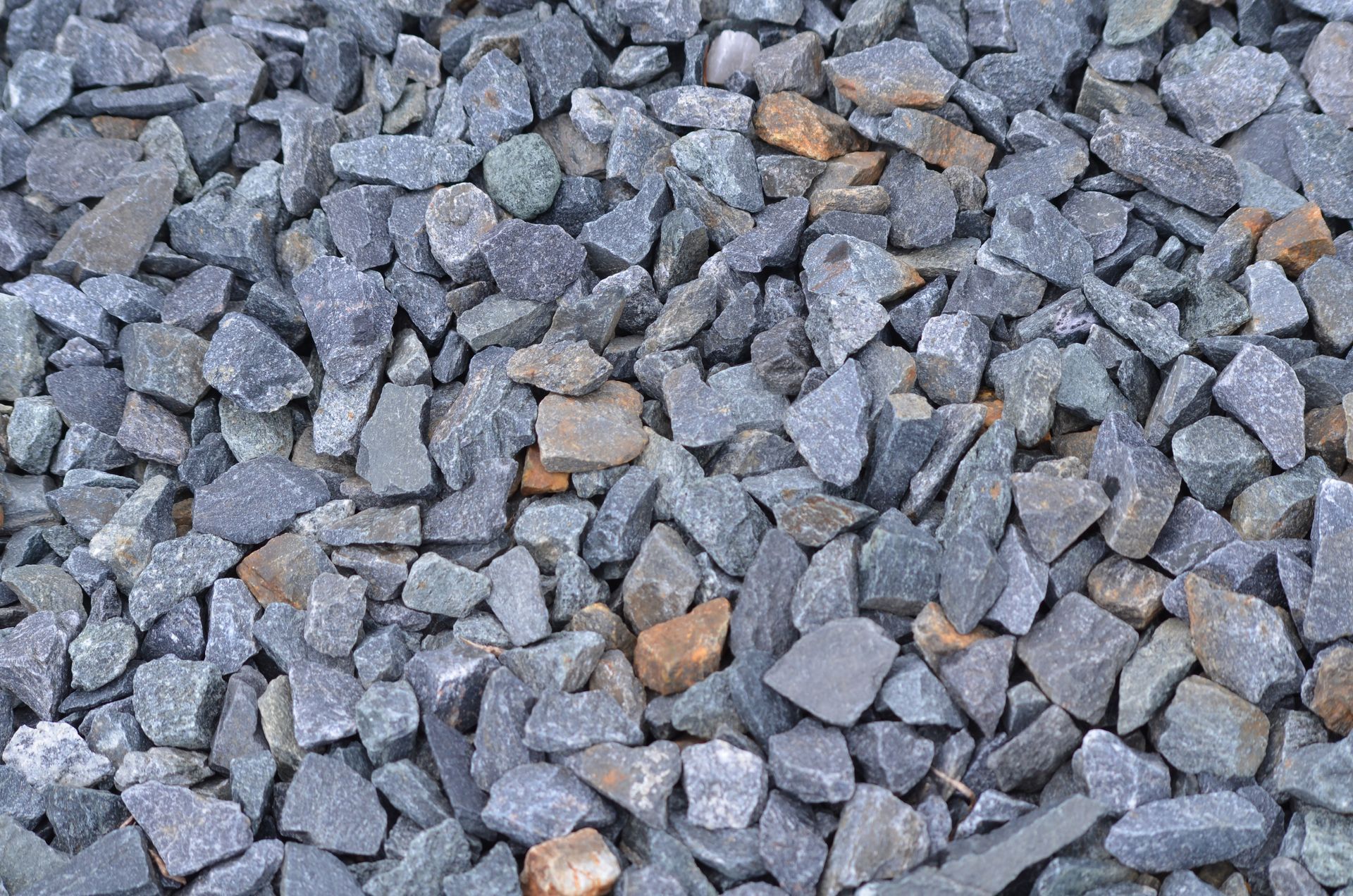
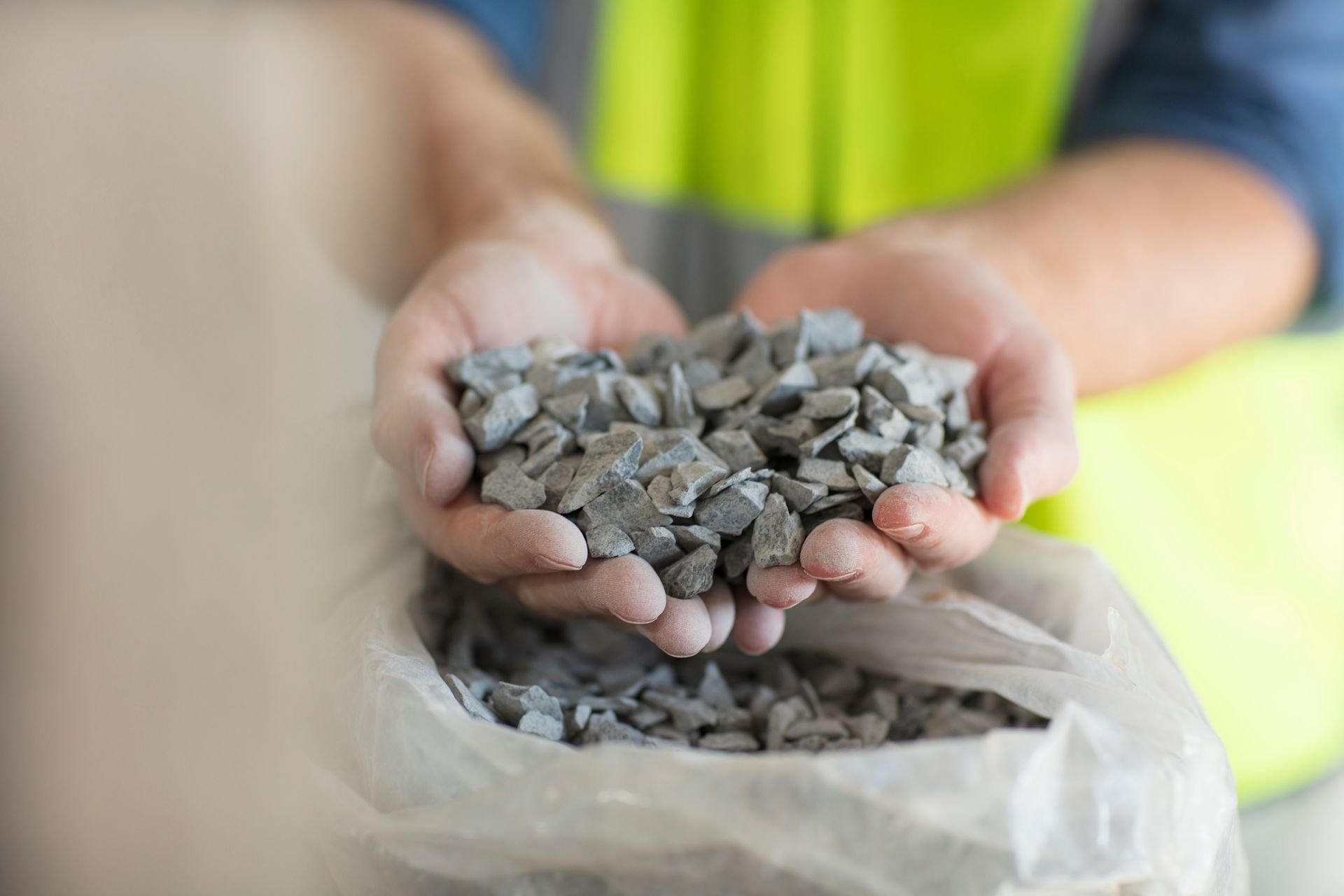
Coarse, angular sand particles are what actually improve drainage in garden soil.
Horticultural Sand
Horticultural sand is made from crushed granite, quartz, or sandstone, giving it a gritty, angular texture that keeps soil pore spaces open over time. Because it is free from lime and salts, it will not interfere with soil pH or harm plants. It is especially useful for raised bed mixes, seed-starting blends, and containers where drainage is critical. Many Central Alabama gardeners use it for vegetable and herb beds where consistent drainage is non-negotiable. Any reputable garden sand supplier should carry horticultural-grade material or point you toward a suitable equivalent.
Builder's Sand (Coarse Sand)
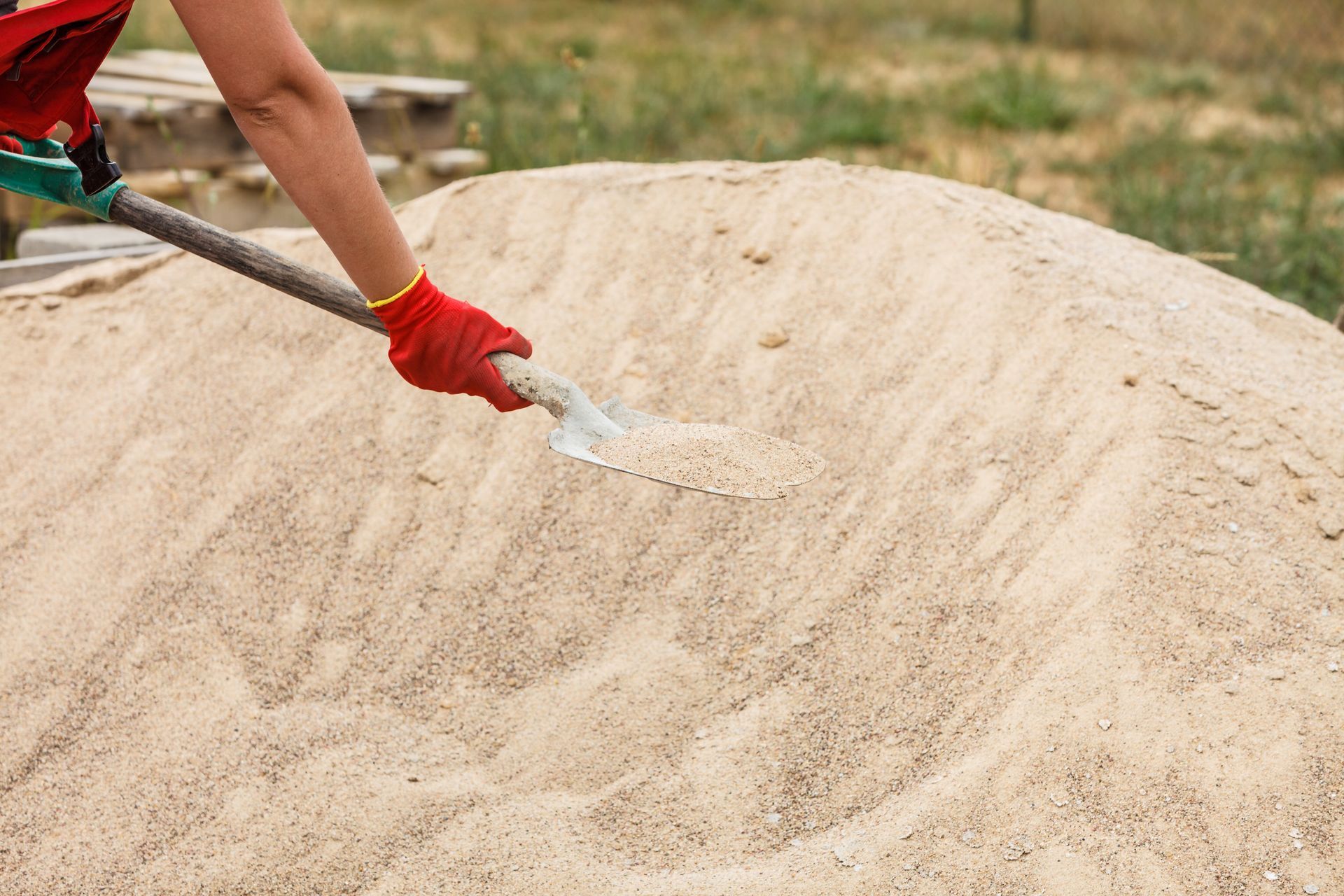
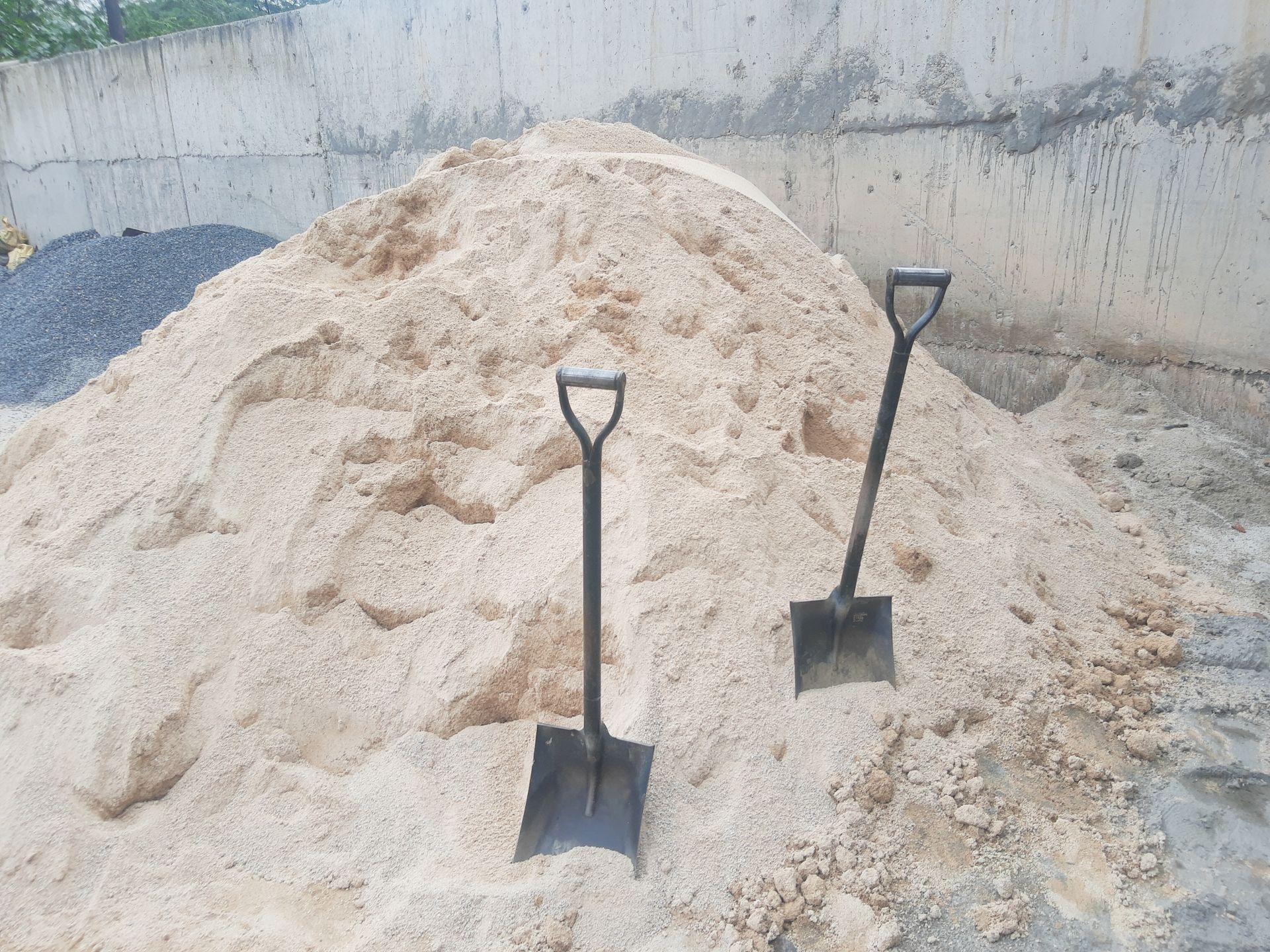
Builder's sand, sometimes called coarse or sharp sand, is a cost-effective alternative. Its angular grains help break up heavy clay and improve drainage across larger planting areas. It suits ground-level garden beds in Millbrook yards where buying bulk quantities makes more practical sense than smaller bags. Particle sizes can vary more from batch to batch, so results may be slightly less predictable than labeled horticultural-grade product. For large-scale clay-soil improvement projects throughout Elmore County, coarse builder's sand delivers solid results. Ask your local supplier about particle size consistency before ordering bulk material.
What to Avoid
Fine play sand has smooth, rounded particles that compact easily and can worsen drainage. Beach sand can contain salt residues that damage plants. Masonry sand, used in mortar and concrete work, is also wrong for soil amendment. Look for visibly gritty, angular texture before adding any sand to a planting area. A trusted sand supplier will help you avoid these common mistakes.
When Should You Add Sand to Alabama Clay Soil?
Sand helps Alabama clay most when drainage problems are actively limiting plant growth. Signs your Central Alabama garden may benefit include standing water after rain, soil that crusts and cracks when dry, and vegetable plants that struggle to root deeper than a few inches. The best time to incorporate sand in the Millbrook area is late winter or early spring, before the main planting season. Mixing sand into dormant soil gives you time to combine it thoroughly with organic matter before plants go in. Fall is also a good window after summer heat breaks and soil becomes easier to work.
One important note: sand alone is not enough. Adding sand without organic matter like compost can increase compaction in certain clay soil types. The combination of coarse sand and compost creates the loose, workable texture roots need. Think of sand as the drainage agent and compost as the nutrient backbone. Together, they move native clay closer to a sandy loam texture that most plants prefer.
How Much Sand Do You Need Per Square Foot?
For moderately clay-heavy soil, a general starting point is a 2-inch layer of coarse sand worked 6 to 8 inches deep into the existing soil. For very dense, poorly draining clay beds common in parts of Millbrook and throughout Elmore County, a 1:1 ratio of sand to native soil by volume may be needed. Applying too little sand to heavy clay can backfire, creating a denser mix rather than a looser one. Always till or fork the amendment in thoroughly rather than topdressing and hoping rain carries it down.
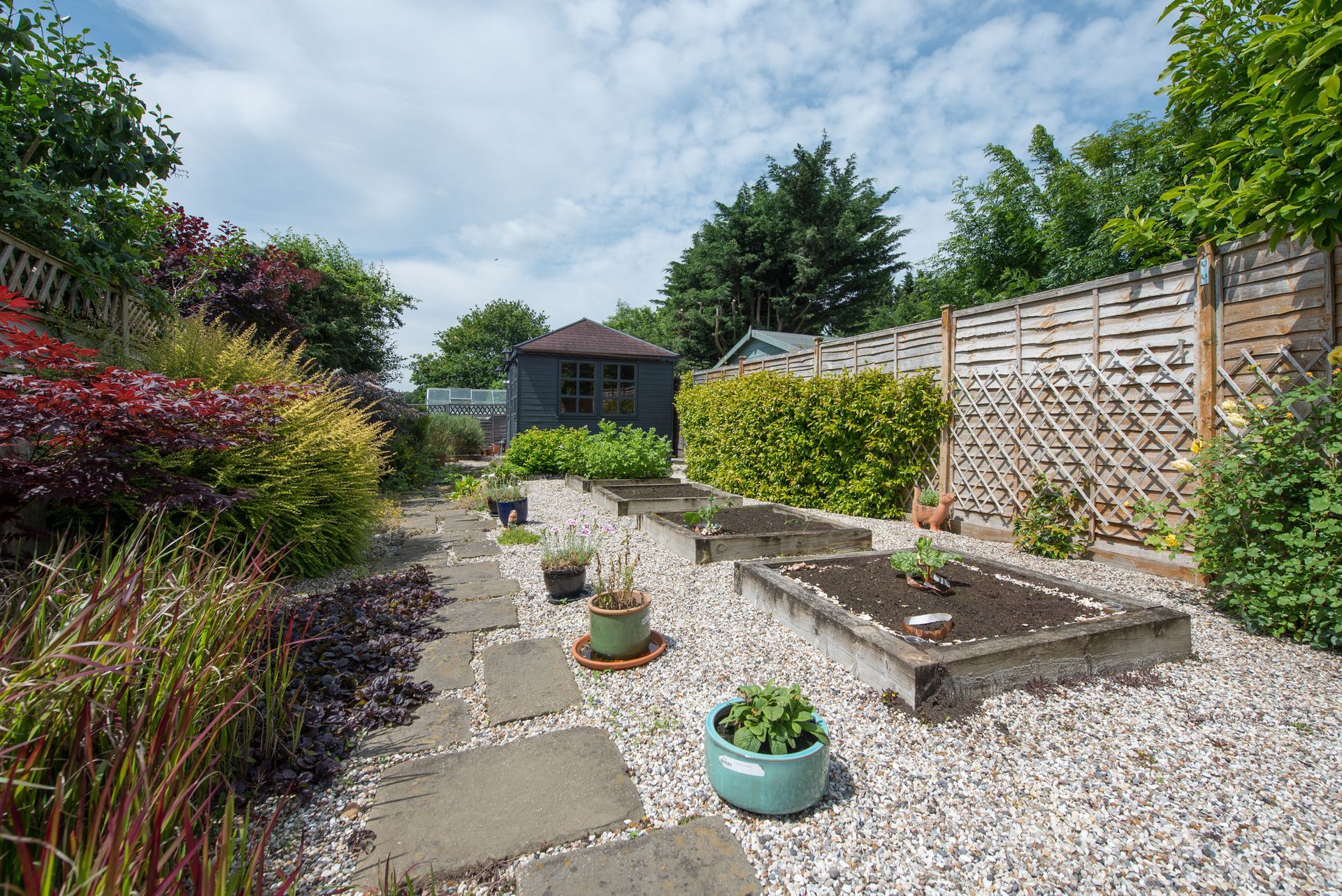
For raised beds, combine equal parts coarse sand, screened topsoil or compost, and organic material. You can explore screened topsoil and soil supply options to build a complete raised-bed mix suited to Central Alabama growing conditions.
Sourcing Bulk Garden Sand
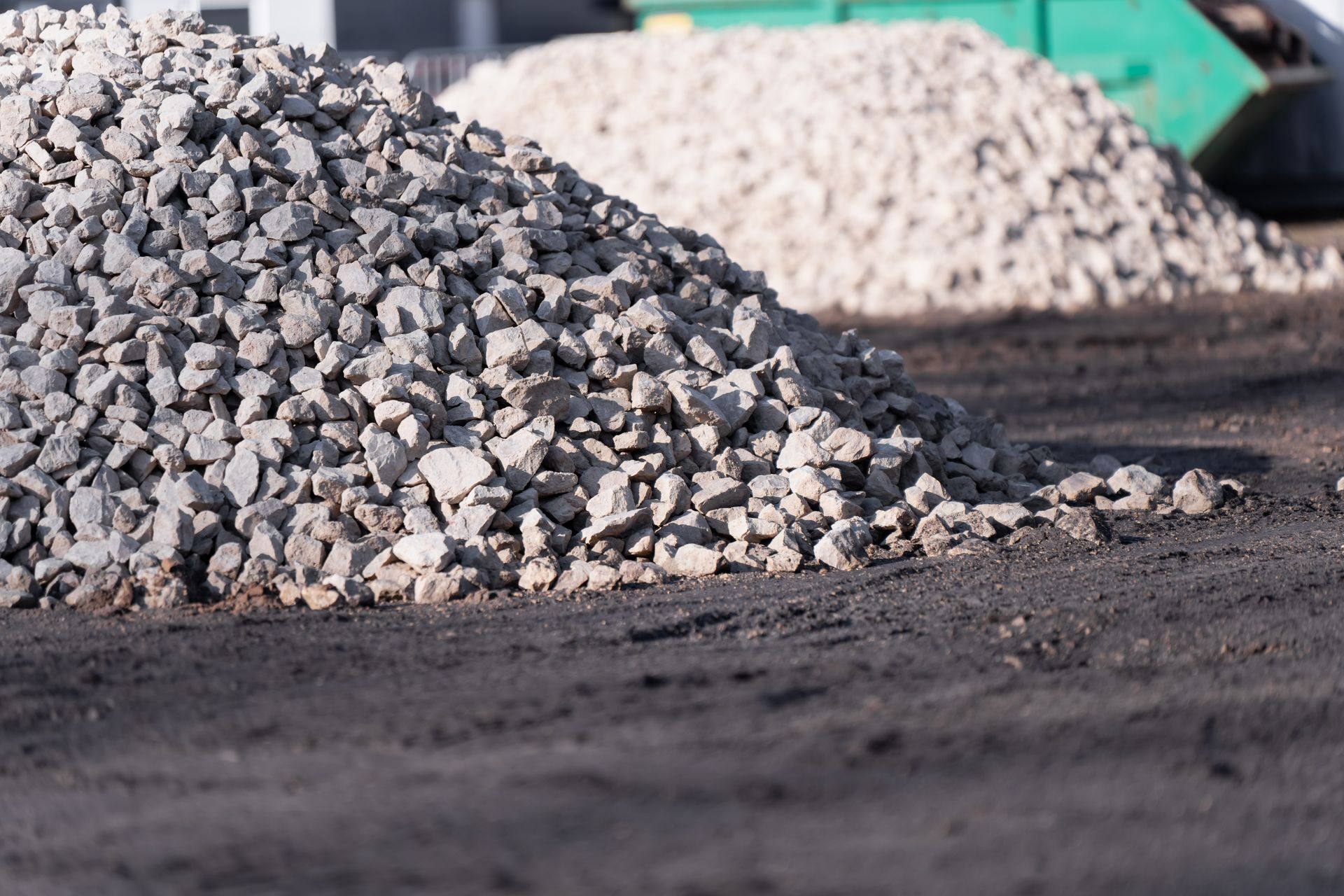
Local bulk suppliers are the most practical option for Millbrook gardeners who need more than a few bags. Having a reliable garden sand supplier serving Millbrook means you can get the right material delivered directly to your property without hauling multiple trips from a retail store. Elmore County homeowners near Robinson Springs Road, Coosada, and throughout the greater Millbrook area benefit from working with local suppliers who understand Central Alabama's clay-heavy terrain. You can browse available sand and gravel supply options to see what materials may suit your garden amendment needs.
When evaluating a garden sand supplier, look for ones that carry a range of sand grades, offer bulk delivery, and can advise on quantities before you commit to a load.
Get the Right Sand Delivered to Your Garden!
J & K Materials & Trucking Inc. serves homeowners and contractors throughout Central Alabama, including Millbrook, AL, with bulk materials and dependable trucking. Reach out through our
contact and quote page to discuss your garden project with our garden sand suppliers. Check our
Google Profile to see what other Millbrook-area homeowners are saying about working with us. We look forward to helping you grow.